




How Good Is the Quality of Chinese Electrical Appliance Parts?
When people hear “Made in China” for electrical components, opinions often fall into two extremes: some assume everything is cheap and unreliable, while others recognize that China produces everything from low-end generic parts to high-precision components used in global brands. The truth lies somewhere in between.
So, how good is the quality of Chinese electrical appliance parts? The answer depends entirely on three factors: the manufacturer, the price point, and the quality control system behind the product.
This article gives you an honest, evidence-based assessment of Chinese electrical parts – their strengths, weaknesses, and how to separate good quality from bad.
1. The Reality: A Wide Quality Spectrum
China is the world’s largest producer of electrical appliance parts – from motors and compressors to PCBs, sensors, switches, and regulators. The country has thousands of factories. Some are world-class facilities that supply brands like Haier, Midea, Gree, LG, and Whirlpool. Others are small workshops producing parts for the lowest possible cost.
This creates a wide quality spectrum:
| Quality Level | Typical Customer | Characteristics |
|---|---|---|
| Premium | Global OEMs, high-end brands | Certified (UL, CE, RoHS), tight tolerances, documented traceability |
| Mid-range | Regional brands, repair markets | Good performance, basic certifications, consistent batch quality |
| Low-end | Discount market, one-off repairs | Lowest price, questionable materials, no certification or fake labels |
The key takeaway: “Chinese parts” are not a single category. You can find excellent quality if you know where to look, and you can also find dangerous fakes if you only chase the lowest price.
2. Where Chinese Electrical Parts Excel
In many categories, Chinese-made components are globally competitive – sometimes even superior to Western-made equivalents in the same price range.
Strong areas include:
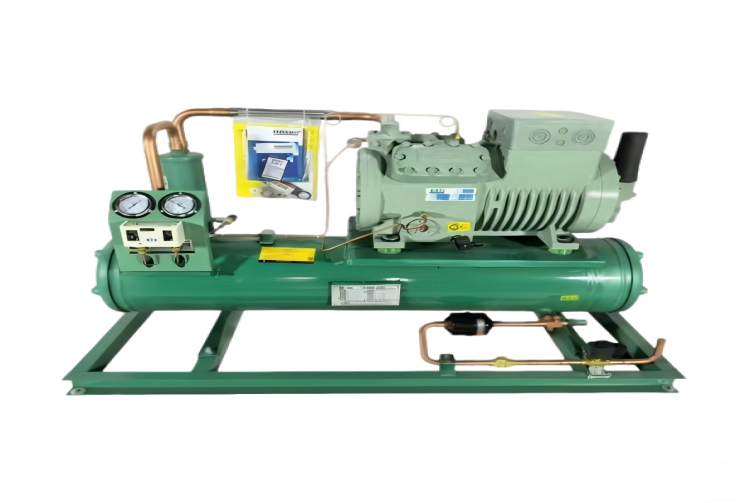
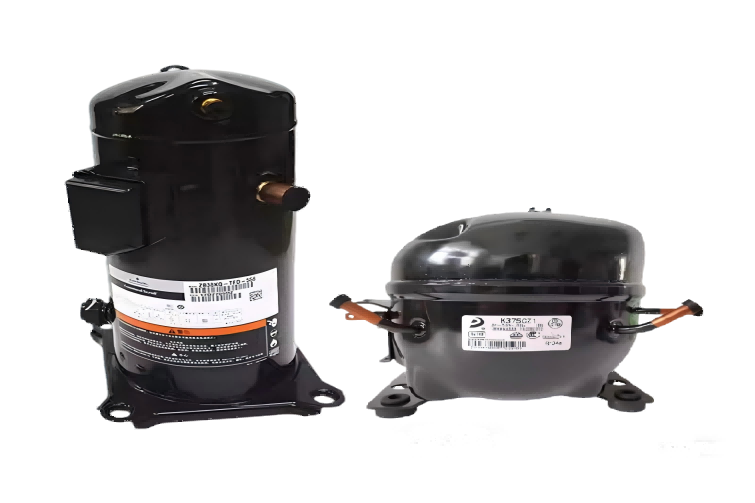
- Motors and compressors – Companies like Welling (Midea), GMCC, and Johnson Electric make hundreds of millions of motors annually, with failure rates below 0.5% in premium lines.
- Switches, relays, and connectors – Mass production has driven defect rates down. Many meet UL and VDE standards.
- Heating elements and thermostats – Widely used in water heaters, ovens, and dryers. Good thermal stability when made from certified stainless steel or Incoloy.
- Gas regulators and valves – Export-oriented factories now follow EN 16129 (European) and CSA (North American) standards.
- Control boards (PCBs) – Surface-mount technology lines in Shenzhen and Dongguan produce reliable boards for home appliances, often at 30–50% lower cost than Taiwan or Korea.
The secret behind this success is vertical integration. Many Chinese factories produce raw materials (steel, copper, plastic) in-house, then machine, assemble, and test components under one roof – reducing cost without necessarily cutting quality.
3. Common Quality Problems – What to Watch For
Despite the high end, the low and middle segments do have recurring issues. Buyers who skip due diligence often encounter:
a) Material substitution
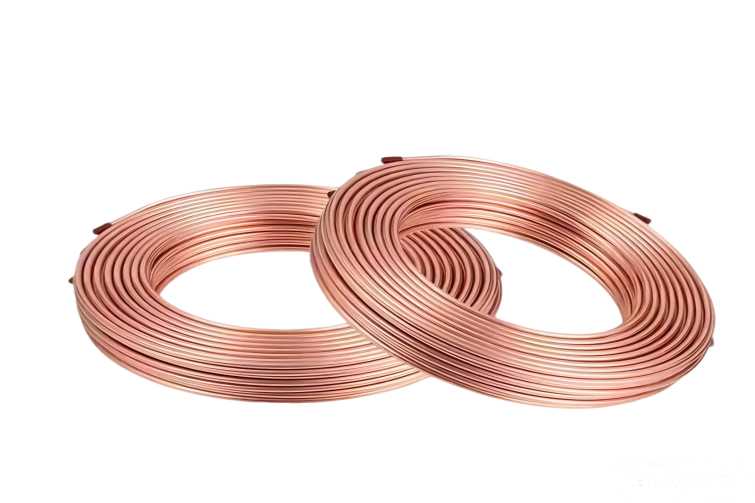
A specification calls for brass; the factory uses brass-plated steel. This leads to corrosion, leaks, or poor conductivity. Always ask for material certificates.
b) Inconsistent batch quality
The first sample is perfect. The mass shipment has different tolerances, weaker threads, or missing markings. This happens when factories rush production or change subcontractors.
c) Fake certifications
Some low-cost sellers print “CE” or “RoHS” on parts that have never been tested. In a 2022 EU market surveillance, over 30% of uncertified electrical components from unknown Chinese suppliers failed safety tests.
d) Shortened lifespan
A cheap relay might work for 10,000 cycles instead of the expected 100,000 cycles. For a home appliance, that could mean failure after one year instead of ten.
These problems are not universal, but they are common in the lowest price tier. The good news: they are avoidable.
4. How to Identify Good Quality Chinese Electrical Parts
You don’t need to be a sourcing expert. Just follow these four steps:
Step 1 – Check physical indicators
- Weight – Good brass or copper is noticeably heavier than plated steel. Use a scale.
- Markings – Legible, permanent laser etching (not cheap ink stamps).
- Surface finish – No burrs, sharp edges, or uneven plating.
Step 2 – Demand real certifications
Ask for a test report number and verify it on the certification body’s website (UL, TÜV, CSA). Legitimate suppliers can provide a Declaration of Conformity and a factory audit report.
Step 3 – Order a sample batch
Never buy 1,000 pieces without testing 5–10 samples. Install them, measure them, and if possible, run an accelerated life test (e.g., cycle a relay 10,000 times).
Step 4 – Audit the factory (or use a third party)
For B2B purchases, a simple video call showing the production line, testing equipment, and quality logs tells you more than any brochure. Many Chinese factories welcome this.
5. Comparing Chinese Parts to Other Origins
| Origin | Quality Range | Price Level | Consistency | Certification Reliability |
|---|---|---|---|---|
| Germany / Japan | High to very high | Premium | Excellent | Very high |
| China | Low to very high | Low to mid | Variable | Good for audited factories |
| India / Vietnam | Low to mid | Low | Variable | Mixed |
| USA / EU | Mid to high | High | Good | High |
China offers the best value at mid-range prices. For the same budget, you often get better specifications from a good Chinese factory than from a low-end European brand.
6. Real-World Examples
- Air conditioner compressor – Top Chinese brands (GMCC, Landa) now exceed 10-year design life, used by Carrier and Trane in some models.
- Washing machine drain pump – A $3–$5 Chinese pump can run for 5+ years in normal use, comparable to a $12 European pump.
- Gas regulator – Export-grade Chinese regulators pass EN 16129, but domestic-market-only units often fail Western standards. Always ask: “Is this made for export?”
7. The Role of Certifications and Standards
If a Chinese electrical part carries genuine CE, UL, RoHS, or CSA marks, its quality is almost always acceptable for professional use. Why? Because obtaining and maintaining these certifications requires:
- Annual factory inspections
- Documented material traceability
- Ongoing product testing
The catch: counterfeit certifications exist. Always verify the certificate number with the issuing body. For example, UL has a free online database (UL Product iQ).
8. Common Myths Debunked
Myth 1: “All Chinese parts are fake.”
Fact: Counterfeits exist, but the vast majority of parts from registered exporters are genuine and legal.
Myth 2: “Cheap means poor quality.”
Fact: Low price often means simple design or high volume, not necessarily poor quality. Many reliable parts cost 30–50% less simply because labor and material are cheaper in China.
Myth 3: “You can’t get warranties from Chinese suppliers.”
Fact: Many offer 1–2 year warranties. Some premium suppliers offer 3 years on compressors and motors.
9. Summary: Verdict on Quality
So, how good is the quality of Chinese electrical appliance parts?
- For premium/export-grade parts: Excellent – on par with global brands, often at lower cost.
- For mid-range parts: Good enough for most repairs and OEM applications, provided you verify specifications.
- For bottom-tier parts: Poor – avoid unless the application is non-critical.
The real risk is not “China” – it’s buying blindly without checking the supplier, certifications, and materials. With proper due diligence, Chinese electrical parts offer some of the best price-to-performance ratios in the world.
Final Advice for Buyers
- For a single replacement part – Look for a seller with clear photos, detailed specs, and positive feedback. Avoid listings that say only “high quality” without data.
- For bulk purchasing – Always request samples, ask for test reports, and consider a third-party inspection before shipment.
- For safety-critical parts (gas, high voltage, fire prevention) – Insist on genuine UL, CE, or CSA certification. Never compromise.
China has become the world’s workshop not only because of low cost, but because its best factories have learned to deliver consistent, reliable quality. Find those factories, and you’ll find parts that last.