




How to Choose Electrical Appliance Parts – A Complete Buyer’s Guide
Electrical appliances are the backbone of modern homes and commercial operations. Whether it’s a refrigerator, washing machine, air conditioner, or industrial compressor, every appliance relies on a network of small but critical components. When a part fails, replacing it quickly and correctly is essential. But how do you choose the right electrical appliance parts without wasting money or compromising safety?
This guide walks you through the key factors to consider when selecting appliance parts – from compatibility and materials to suppliers and warranties.
1. Identify the Exact Part Number and Model
The most important step is to know exactly which part you need. Two numbers matter:
- Appliance model number – usually found on a sticker at the back or side of the unit.
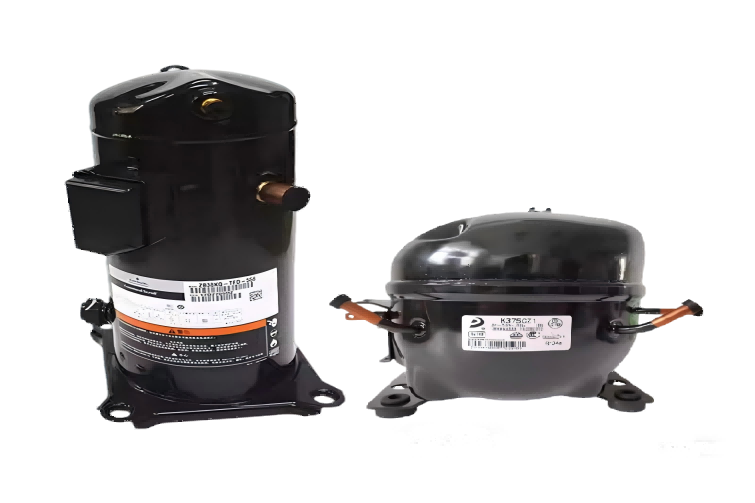
- Part number – often printed on the original component (e.g., a compressor, control board, or fan motor).
Why is this critical? Many parts look similar but have different voltage, size, or mounting specifications. Using the wrong part can damage the appliance or create a fire hazard. Always cross-check the part number with your appliance’s manual or the manufacturer’s website.
💡 Tip: Take a clear photo of the old part and its label. This helps when searching online or asking a supplier.
2. Understand Key Specifications
Even if the part number matches, you must verify technical specifications. For electrical components, pay attention to:
- Voltage (V) and current (A) – Using a part with incorrect voltage (e.g., 220V vs. 110V) will cause immediate failure.
- Power (W or kW) – Motors, heating elements, and compressors must meet or slightly exceed original power ratings.
- Dimensions – Length, width, mounting hole spacing, pipe diameter (for valves, regulators, etc.).
- Thread type – For gas or water connections, check if threads are metric or imperial.
- Material – Brass, copper, stainless steel, or engineering plastics each have different durability and corrosion resistance.
Always compare the new part’s datasheet with the original. When in doubt, ask the supplier for a specification sheet.
3. Choose the Right Material for the Job
The material directly affects performance, safety, and lifespan. Here’s a quick guide:
| Part Type | Recommended Material | Why |
|---|---|---|
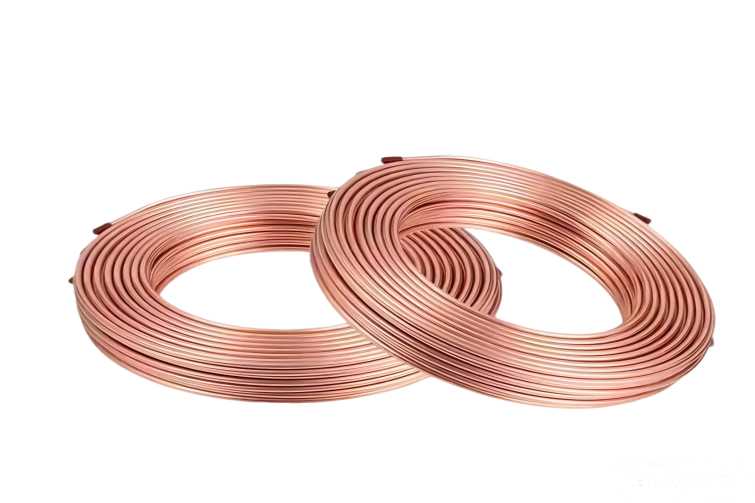
| Gas / refrigerant lines | Brass or copper | Corrosion-resistant, good sealing, handles pressure |
| Structural brackets | Galvanized steel | Strong, resists rust |
| Housings / covers | Flame-retardant plastic | Lightweight, safe against heat |
| Heating elements | Stainless steel or Incoloy | High-temperature resistance |
| Seals and gaskets | EPDM, silicone, or NBR | Depends on chemical exposure and temperature |
Avoid cheap parts made of recycled or unknown materials – they often fail early and may void your appliance warranty.
4. Verify Safety Certifications
Electrical appliance parts must meet regional safety standards. Never buy uncertified parts, especially for heaters, compressors, or control boards. Look for marks such as:
- CE (Europe)
- UL (United States)
- RoHS (Restriction of Hazardous Substances)
- CCC (China)
- CSA (Canada)
Certification ensures the part has been tested for electrical insulation, heat resistance, and mechanical strength. If a supplier cannot provide certification documents, consider it a red flag.
5. Decide Between OEM and Aftermarket Parts
You have two main options:
- OEM (Original Equipment Manufacturer) – Made by the same company that built your appliance. Perfect fit and guaranteed quality, but more expensive.
- Aftermarket (compatible) – Made by third-party manufacturers. Lower price, but quality varies widely.
When to choose aftermarket:
- The appliance is old and OEM parts are discontinued.
- The part is non-critical (e.g., knobs, handles, filters).
- The aftermarket brand has good reviews and clear specifications.
When to stick with OEM:
- Critical safety components (gas valves, thermal fuses, compressor starters).
- Under warranty – using non-OEM parts may void coverage.
6. Buy from Reliable Suppliers
Where you buy matters as much as what you buy. Avoid unknown sellers on marketplaces with no return policy. Instead:
- Check the supplier’s history – How long have they been in business?
- Read customer reviews – Look for feedback about part fit, durability, and customer service.
- Request a sample – For bulk orders, always test a sample before committing.
- Ask about batch consistency – Some low-cost suppliers mix good and defective parts in the same shipment.
Platforms like Alibaba, Amazon Business, and specialized appliance part stores can be good, but always verify the seller’s credentials.
7. Compare Warranty and After-Sales Support
A reliable part should come with a warranty. Standard warranties for appliance parts range from 30 days to 1 year. Some premium parts offer 2 years or more.
Check these details:
- What does the warranty cover? – Free replacement, repair, or only partial refund?
- Who pays for return shipping? – This can be expensive for heavy parts like compressors.
- Is technical support available? – Some suppliers help with installation questions or troubleshooting.
If a seller offers no warranty at all, it’s better to look elsewhere.
8. Don’t Forget Packaging and Delivery
This is often overlooked, but proper packaging prevents damage during shipping. For delicate parts (circuit boards, sensors, pressure switches), anti-static bags and foam padding are essential.
Also check:
- Estimated delivery time – If your appliance is down, speed matters.
- MOQ (Minimum Order Quantity) – Some B2B suppliers require 50 or 100 pieces. For a single repair, look for sellers with MOQ = 1.
- Tracking information – Always choose a shipping method with tracking.
9. Calculate Total Cost, Not Just Price
A cheap part that fails after two months is more expensive than a quality part that lasts five years. Consider:
- Part price
- Shipping cost
- Installation labor (if you pay a technician)
- Downtime cost (for commercial appliances)
Sometimes paying 20–30% more for a certified, well-packaged part saves hundreds in the long run.
10. Read the Listing Carefully – Especially Keywords
When searching online, use specific keywords: part number + appliance type + “replacement”. For example: *“WD18-7 washing machine drain pump replacement”*.
Many sellers stuff generic keywords like “high quality durable” without providing real specs. Skip those. Look for listings that clearly state:
- Voltage, power, dimensions
- Material composition
- Compatibility list (brands and models)
- Photos showing the part from multiple angles
Final Thoughts
Choosing the right electrical appliance part doesn’t have to be stressful. Start by identifying your appliance model and part number. Then verify specifications, material, and safety certifications. Decide between OEM and aftermarket based on criticality. Finally, buy from a trustworthy supplier with a reasonable warranty and good packaging.
A small investment of time in research will save you from repeated breakdowns, safety risks, and wasted money. Whether you’re a homeowner fixing a fridge or a business maintaining commercial kitchen equipment, these principles will guide you to the right part – every time.